
Run like a local: We ran Copenhagen with Zalando
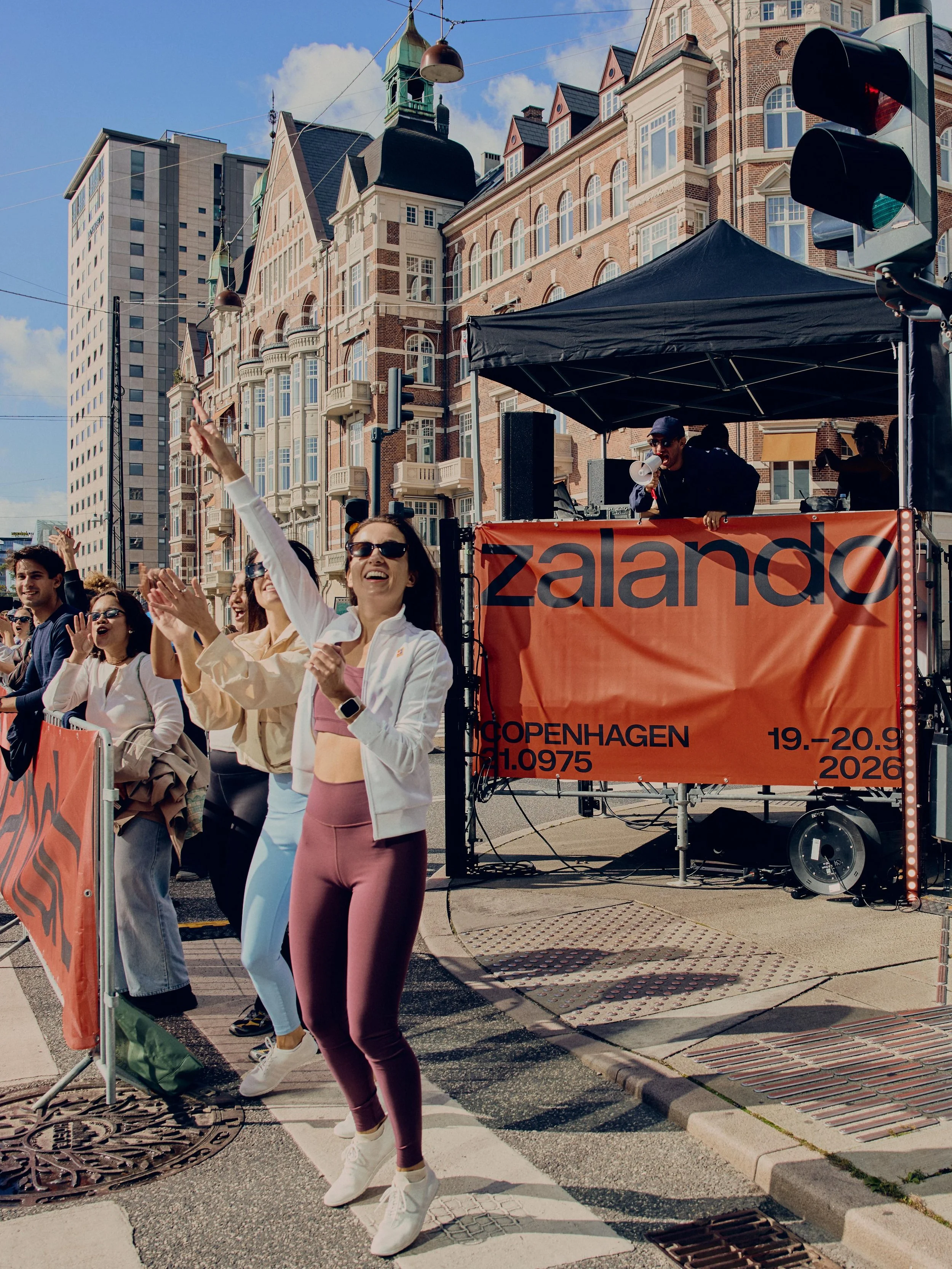
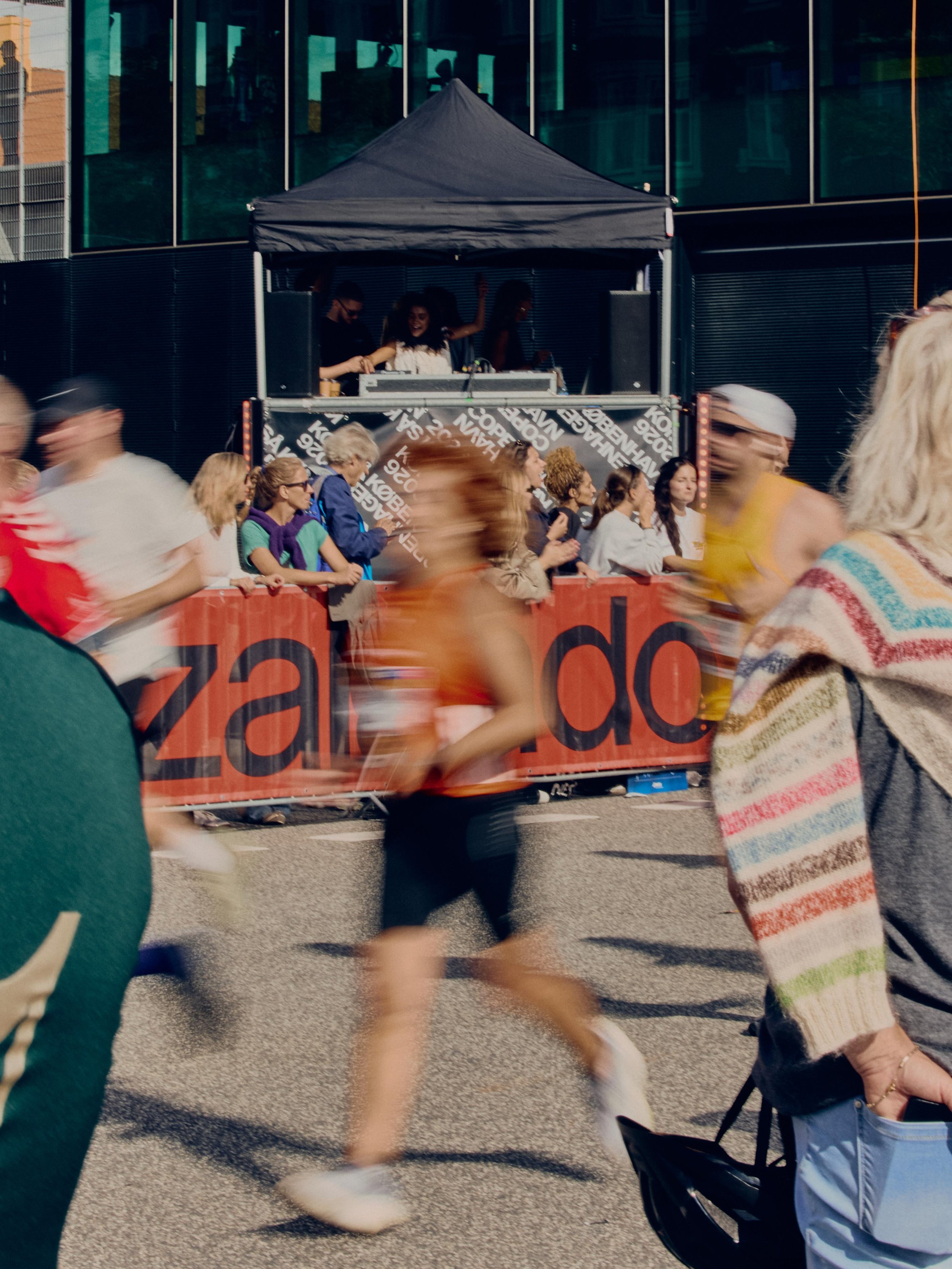
Zalando took us to Copenhagen for the World Athletics Road Running Championships, where the campaign line turned out to be the literal instruction.
A city usually takes years to let you in. Copenhagen gave us about four hours. By Friday afternoon we were jogging out of Fælledparken with a group of strangers, most of them local, none of them interested in how fast we were.
As a main sponsor of the championships, Zalando built its entire Copenhagen presence around one idea: “Run Like a Local. ” Not a personal best, not a podium. Arriving together.
From September 16 to 19, Fælledparken became the Zalando Running Hub, and the programme read less like race prep than a festival schedule. Morning intervals and technique clinics, breakfast from Prolog, midday breathwork and Rave Yoga, then evening Run & Rave & Pasta sessions powered by mobile DJ setups and Rasmus Lützen’s bike-mounted sound system. Pasta afterwards, every night.
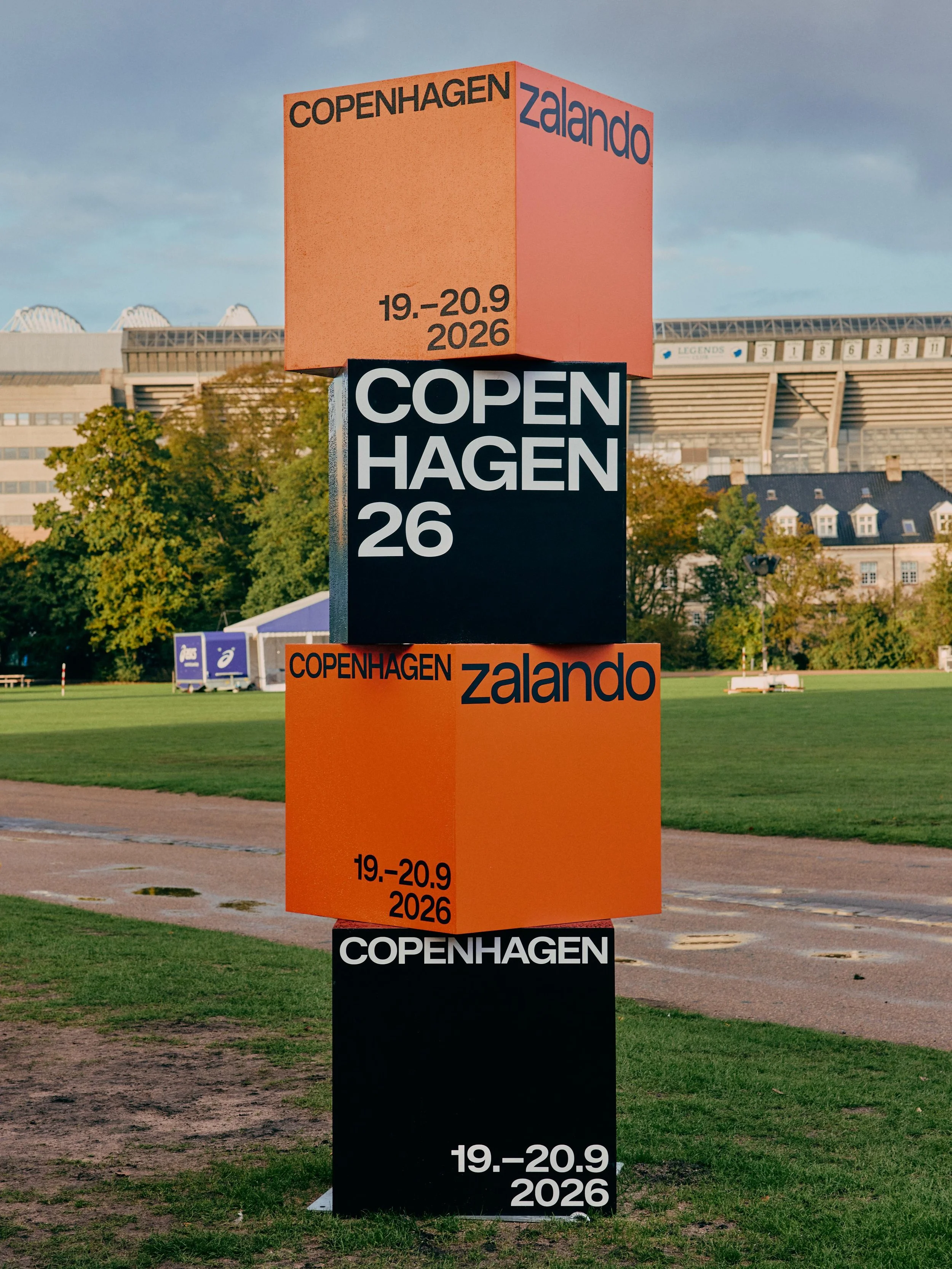
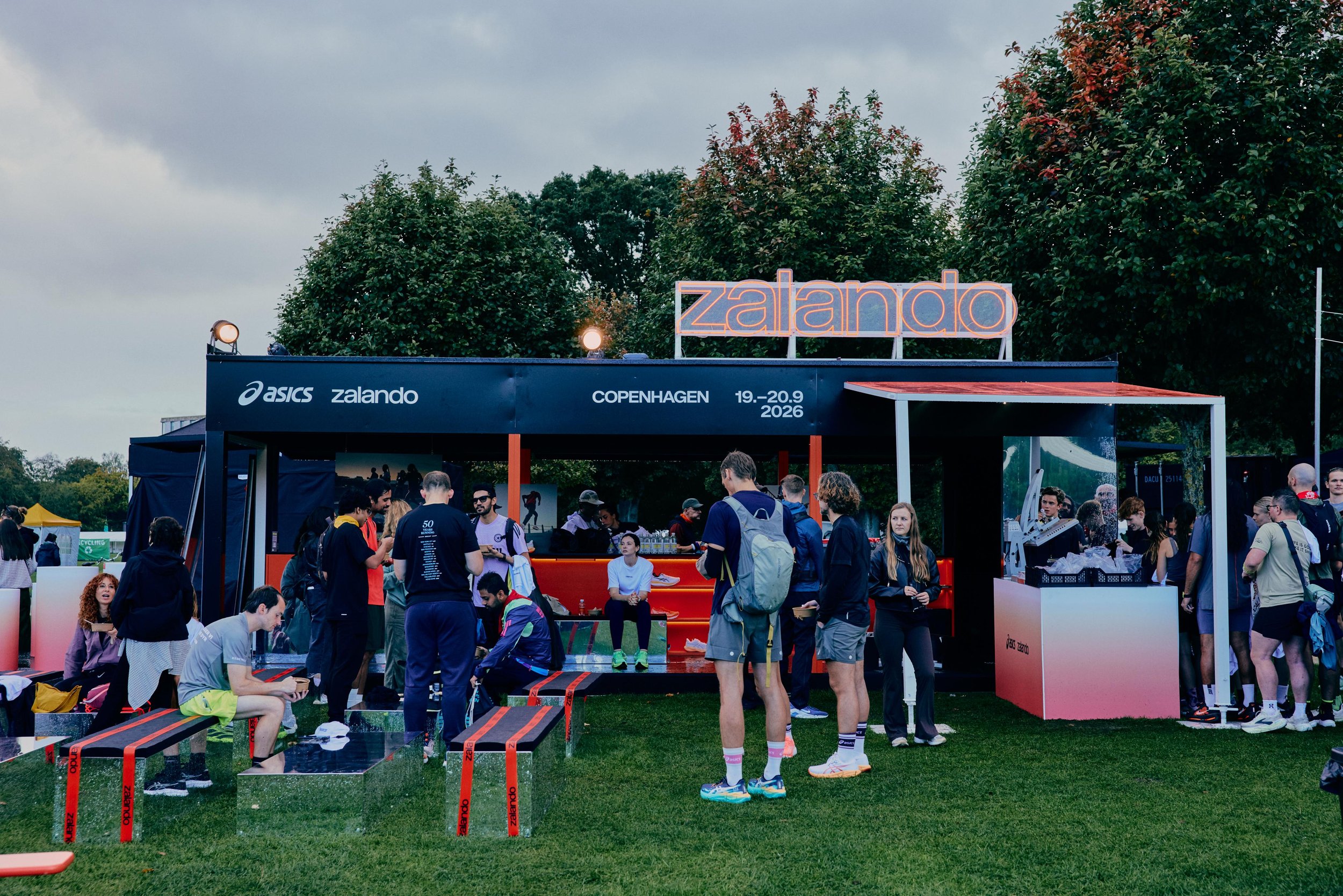
We caught the end of it: Friday’s 5K shakeout run through central Copenhagen, at the conversational pace that reminds you a city is best read at six and a half minutes per kilometre. Saturday belonged to the 5K and to Lille Trianglen, where Zalando’s Cheer Zone and Pasta Block Party pulled in as many spectators as runners. The line between the two blurred fast, which is the hardest thing to manufacture and the most Copenhagen thing about the week: the crowd and the race were the same crowd.
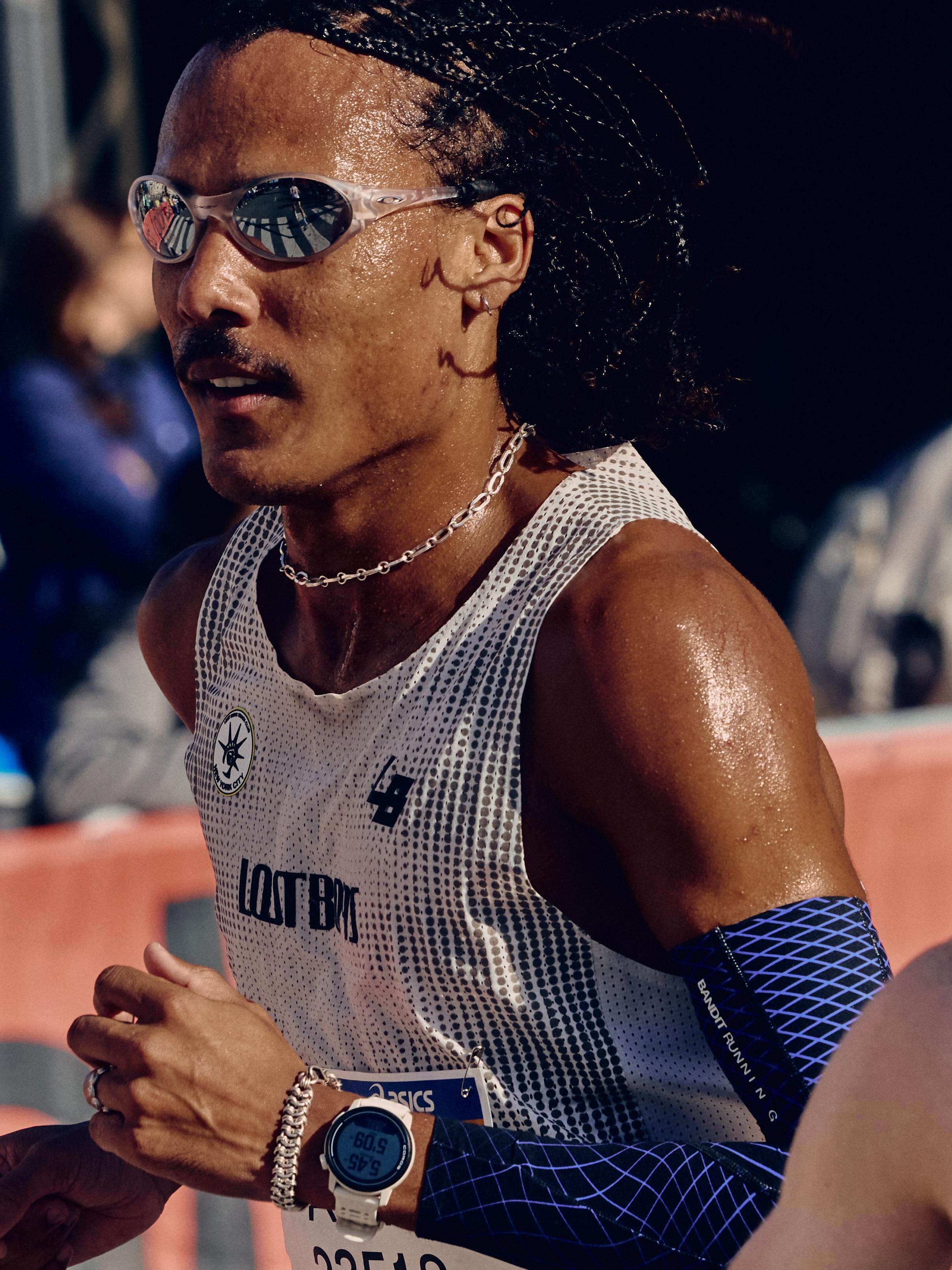
Sunday, the half marathon took the city. At Nørrebros Runddel, Kamal of Danish duo Hav & Kamal worked the mic as official hypeman, and the noise made the legs forget for a kilometre or two. Then BLOX, and Zalando’s 230-metre music tunnel: a disco-lit corridor of strobes with DJ ¡Harty! on a live set, the course briefly turning into a nightclub with a timing chip. You come out the other side carrying enough of it to cover what’s left.
Copenhagen is the first of three. This autumn Zalando takes the same local-first approach to the BMW Berlin Marathon and the Rome Marathon, connecting the cities into one story rather than three logos on three finish lines. What makes it work is the restraint — feeding people, playing music, handing the microphone to a local, and letting the city do the rest.
Curated by Mitro Boahene